On August 20, 2011, the US military investigated the crash of a Global Hawk RQ-4 Air Force Drone outside Kandahar, Afghanistan. The report concluded that the cause of the crash was a mis-tightened bolt. This cost them a total of 74 million USD.
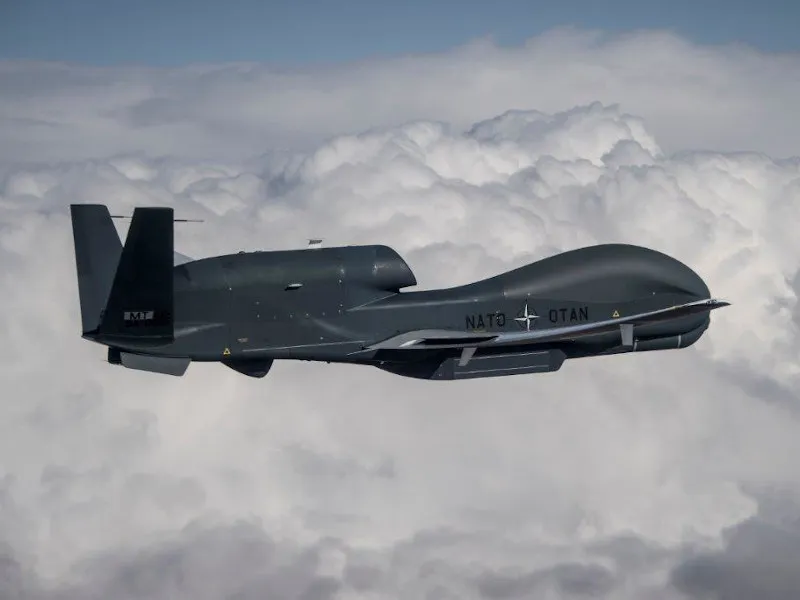
On August 20, 2011, the US military investigated the crash of a Global Hawk RQ-4 Air Force Drone outside Kandahar, Afghanistan. The report concluded that the cause of the crash was improperly tightened cylinder screws. This cost them a total of 74 million USD.
Torque tools are precision tools used to tighten fasteners, such as bolts and nuts, to a specific torque. Proper torque is important to prevent parts from loosening and to ensure gaskets are tight. Too much torque can damage bolts or threads, or make bolts impossible to loosen.
Tightening bolts can be done in several ways. The most common method is tightening using a calibrated torque wrench. The required torque in the wrench is calculated based on the desired preload force in the bolt. Angular rotation of the bolts is another tightening method, and this can also be combined with the use of a torque wrench. A final method is the use of a hydraulic preload tool. The preload force in the bolts can be reduced over time and the reasons for this can be overload or fatigue loads.
In order for bolted connections to withstand static and dynamic loads over time, the bolts must be fastened with a certain preload. Lack of preload can cause dynamic loads that can result in bolt fatigue. The required preload force depends on the quality and surface treatment of the bolts, as well as the friction between bolt/nut and between nut/base material.
The prestressing force should not exceed the yield strength of the bolts. Prestressing of bolts can be carried out in different ways:
- Tightening using a calibrated torque wrench
- Turn-of-the-nut tightening
- Combined method
When using a calibrated torque wrench, the relationship between preload force and torque in the wrench is exploited. The torque wrench is calibrated so that it ”releases” when the correct torque is achieved. This torque is calculated from the desired preload in the bolt.
”The ”turn-of-the-nut” method tightens the nut so that it is ”tight”. The surfaces of the base material should then be pressed together. The nut should then be turned a certain angle to
to ensure proper preload in the bolt. This angle depends on the bolt diameter, thread type and clamping length. The last method is a combination of torque tightening and nut turning. The bolt is first tightened with a torque equivalent to 75 % of the desired preload force, and then the nut is turned 90 degrees.
The US military report concluded that the RQ-4 drone had Allen screws that had not been tightened to torque specifications, resulting in the hexagon socket head cap screws loosening during flight.
Correct torque and bolt pre-tensioning safety are not only important when manufacturing multi-million dollar drones, but also in several industries that rely on torque tools to get the job done.
kNm Hydraulikk offers a range of bolt preload products from Enerpac and Gedore - click on one of the links below to find out more about these products:
- Enerpac torque tools
- Enerpac – Hydratight Tensioning Tool
- Gedore torque tools
- Enerpac Torque Checkers
- Enerpac Mobile Calibration System
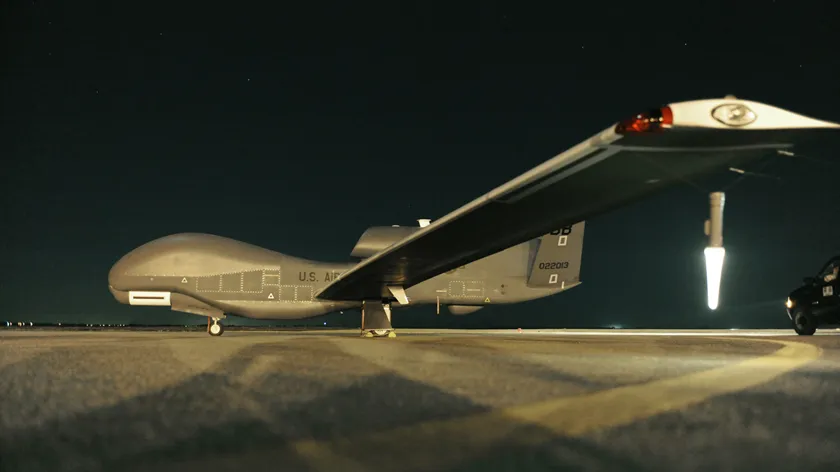

Here you can see the drone before the accident and after it crashed. Here you can really see what a wrongly tightened bolt can do and how much it can actually cost a company when someone tightens a bolt with too much or too little torque.